

Roger L. Daniel Insurance provides the Medicare 101 Educational Series to help Medicare beneficiaries throughout Montana better understand how Medicare coverage works. These guides are designed to explain Medicare in clear, practical terms so individuals can make more confident decisions about their coverage.
Common COBRA Timing Situations
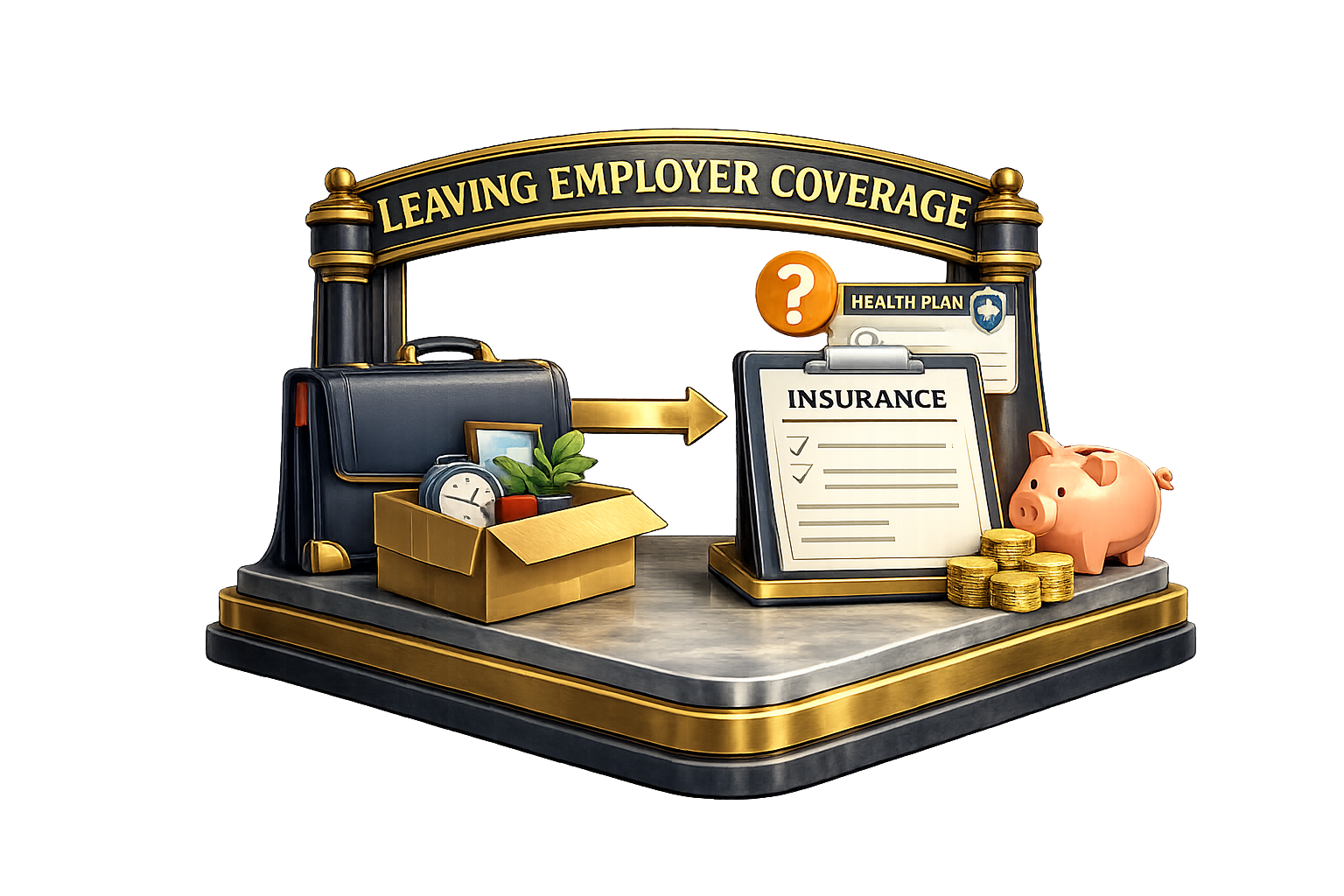
Leaving employer coverage soon
Review what happens to Medicare timing when active employer coverage ends and COBRA begins.
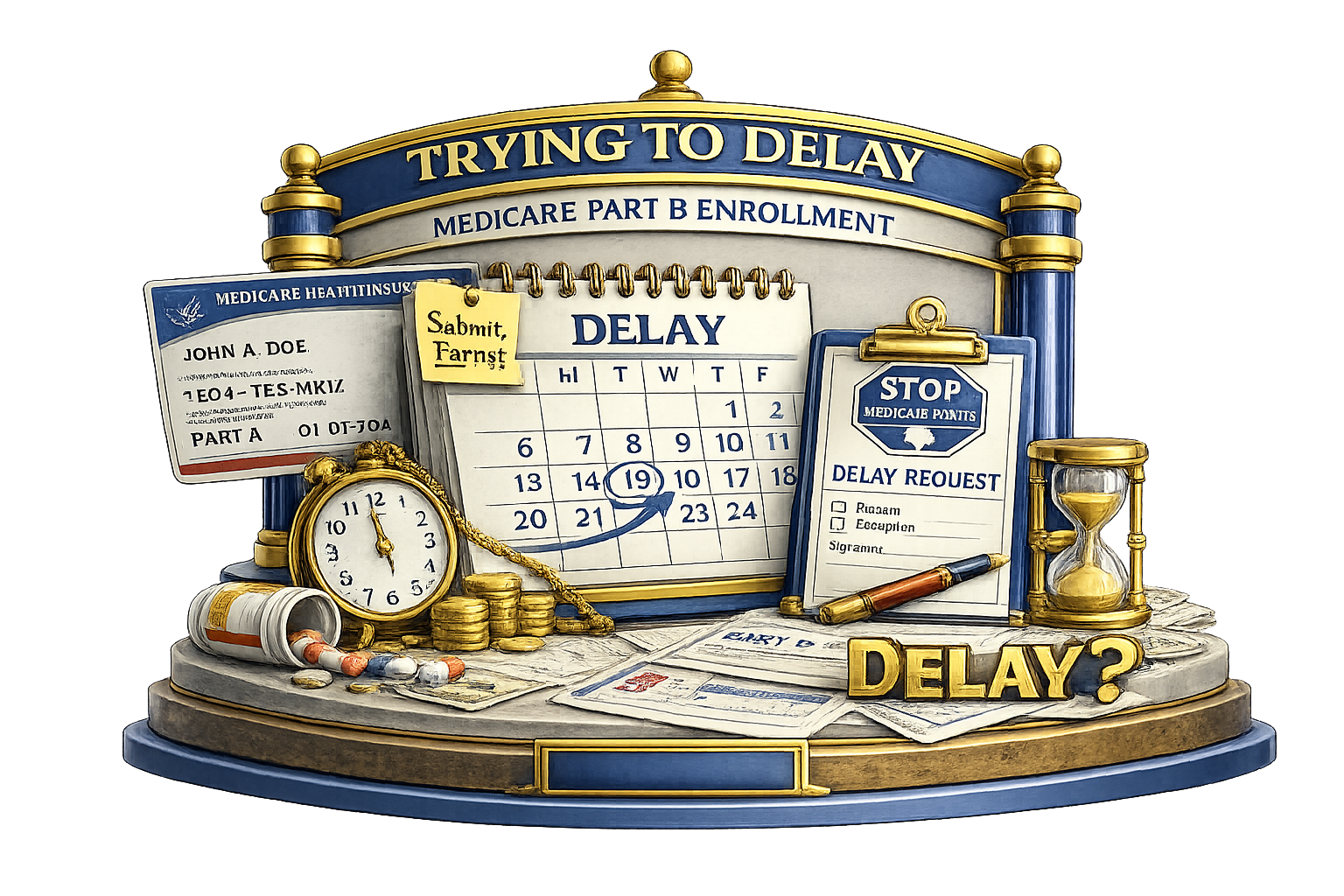
Trying to delay (Part B) Enrollment
Learn why COBRA usually does not protect your Part B timing the way active employer coverage can.
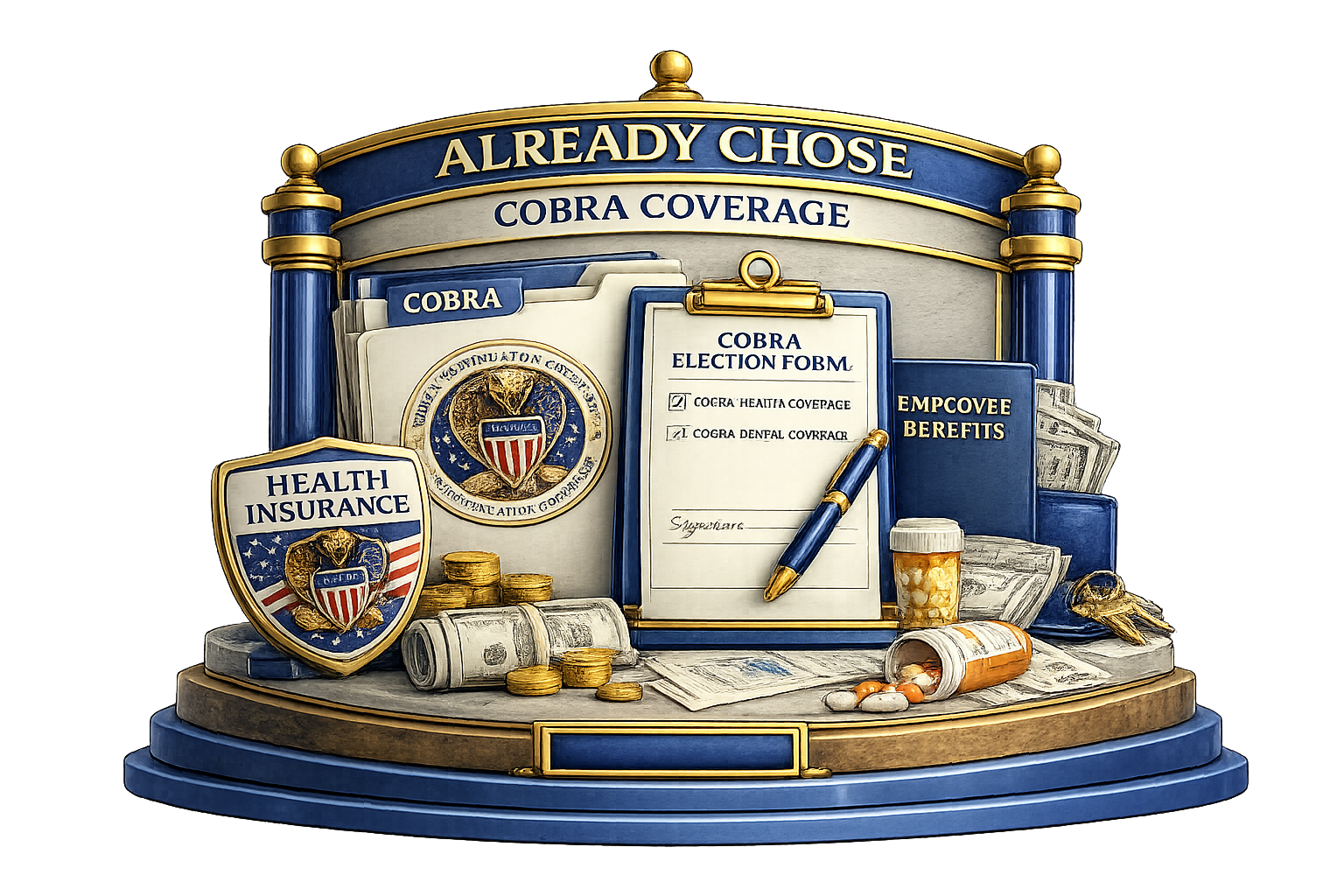
Already chose COBRA
Review whether Medicare should still be addressed now to avoid penalties or gaps.
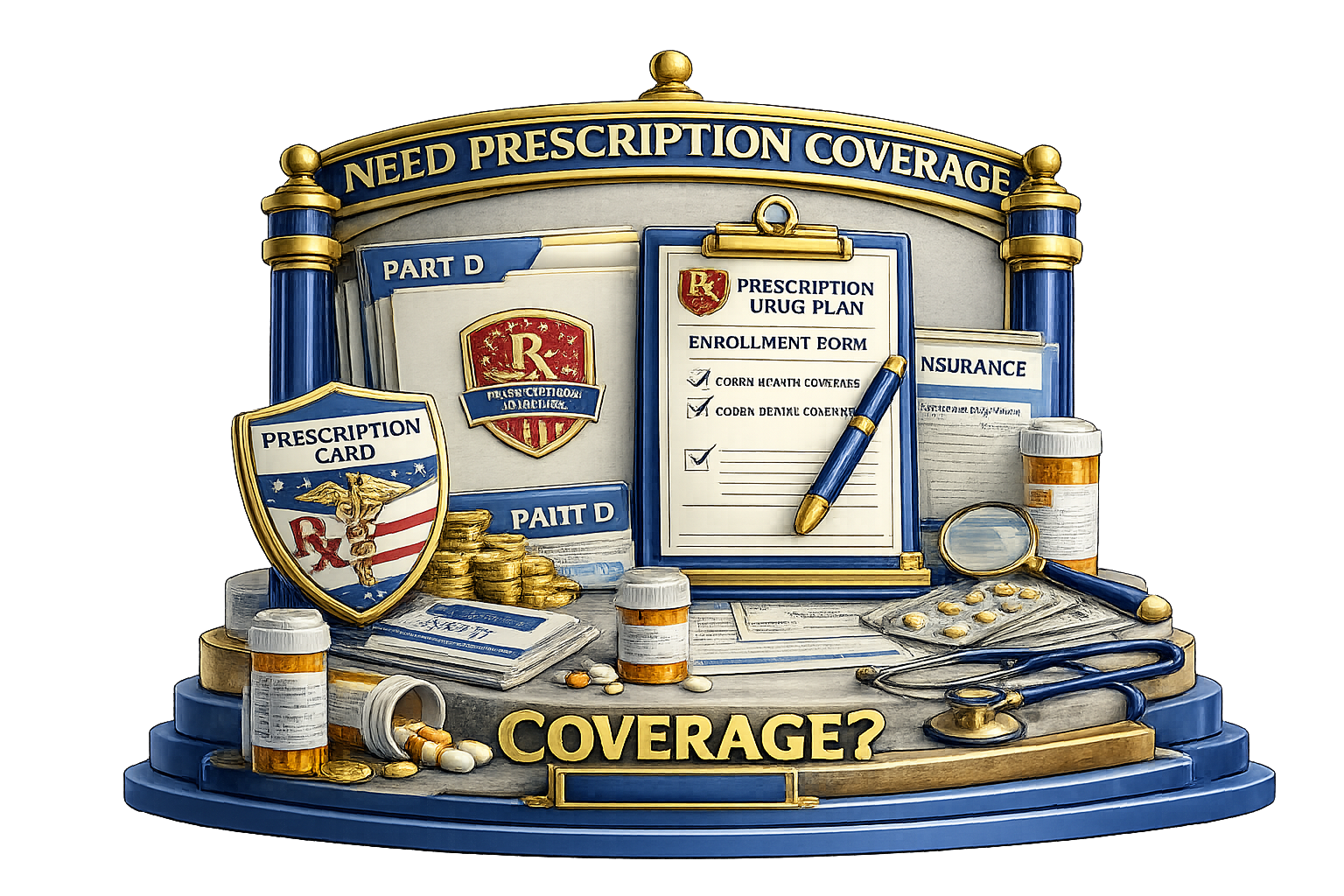
Need prescription coverage
Learn how COBRA drug coverage and Medicare Part D coverage may work differently.
COBRA Is Not the Same as Active Employer Coverage
This is the most important rule on the page. Medicare says COBRA coverage and retiree health plans are not considered coverage based on current employment. That matters because current employment coverage may allow some people to delay Part B and later use a Special Enrollment Period, but COBRA does not work the same way.
If you move from active employer coverage into COBRA, do not assume your Medicare timing can wait until COBRA ends.
When Your Active Employer Coverage Ends, Your Medicare Timing Changes
Medicare says your 8-month Special Enrollment Period to sign up for Part B starts when you stop working, or when your job-based coverage ends, whichever happens first. Medicare specifically says this 8-month SEP starts even if you choose COBRA or other non-Medicare coverage.
- SEP timing does not wait for COBRA to end
- active employer coverage and COBRA are treated differently
- waiting too long can lead to delayed coverage
- late penalties may apply if Part B is missed
Can You Delay Medicare Part B with COBRA?
Usually, no. Medicare says if you have COBRA and have not signed up for Medicare yet, you should sign up for Medicare when you are first eligible to avoid gaps in coverage and a monthly Part B late enrollment penalty. Medicare also says not to wait until COBRA ends to enroll in Part B.
COBRA may keep insurance in place for a time, but it is not a safe substitute for Medicare timing decisions.
What If You Already Chose COBRA?
If you already elected COBRA and did not sign up for Medicare when first eligible, Medicare warns you may have to wait for the General Enrollment Period, face a delay in coverage, and pay a lifetime Part B late enrollment penalty. Medicare’s COBRA guidance says this can create a gap in coverage.
If you are in COBRA now and are not sure what Medicare should do next, this is a good point to review your timing right away.
If You Have Both COBRA and Medicare, Who Pays First?
Medicare’s coordination publication says that if you have Medicare and COBRA continuation coverage because you are 65 or older or disabled, Medicare pays first and COBRA pays second. There is a limited ESRD exception where COBRA may pay first during a coordination period, but for most age-65 Medicare situations, Medicare is primary.
This is another reason COBRA should not be treated like active employer coverage when Medicare eligibility begins.
COBRA Drug Coverage and Part D
COBRA can include prescription drug coverage, and Medicare says if COBRA includes creditable prescription drug coverage, you may have a Special Enrollment Period to join a Medicare drug plan without a penalty when COBRA ends. But this is different from Part B timing. A person can still run into Part B timing problems even if COBRA prescription coverage is creditable.
- review whether COBRA drug coverage is creditable
- review when COBRA drug coverage ends
- review when Part D should begin
- do not confuse Part D timing with Part B timing
Common COBRA and Medicare Situations
Use this quick guide to find the issue that most closely matches your situation.
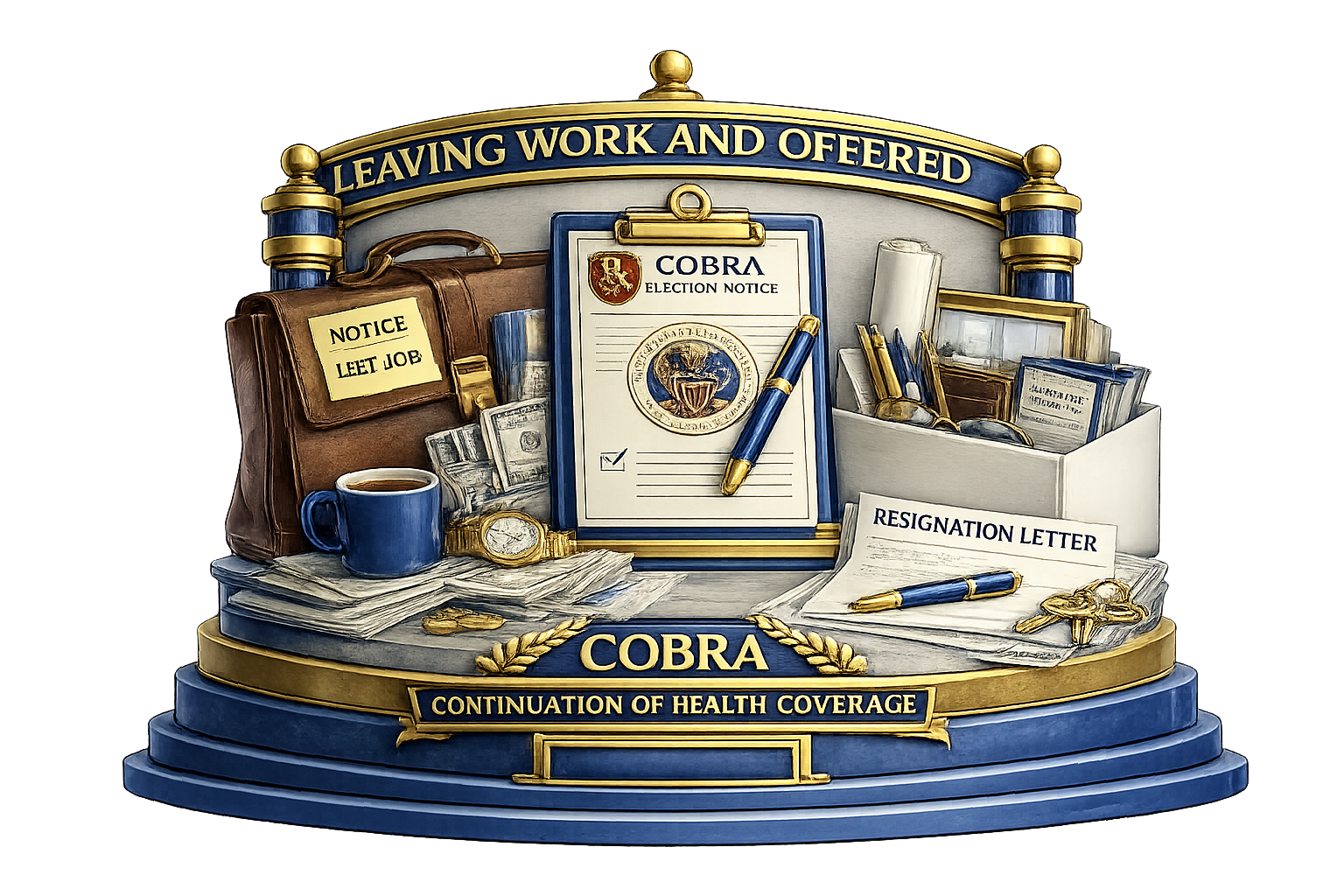
Leaving work and offered COBRA
Review Medicare timing before assuming COBRA lets you safely delay Part B.
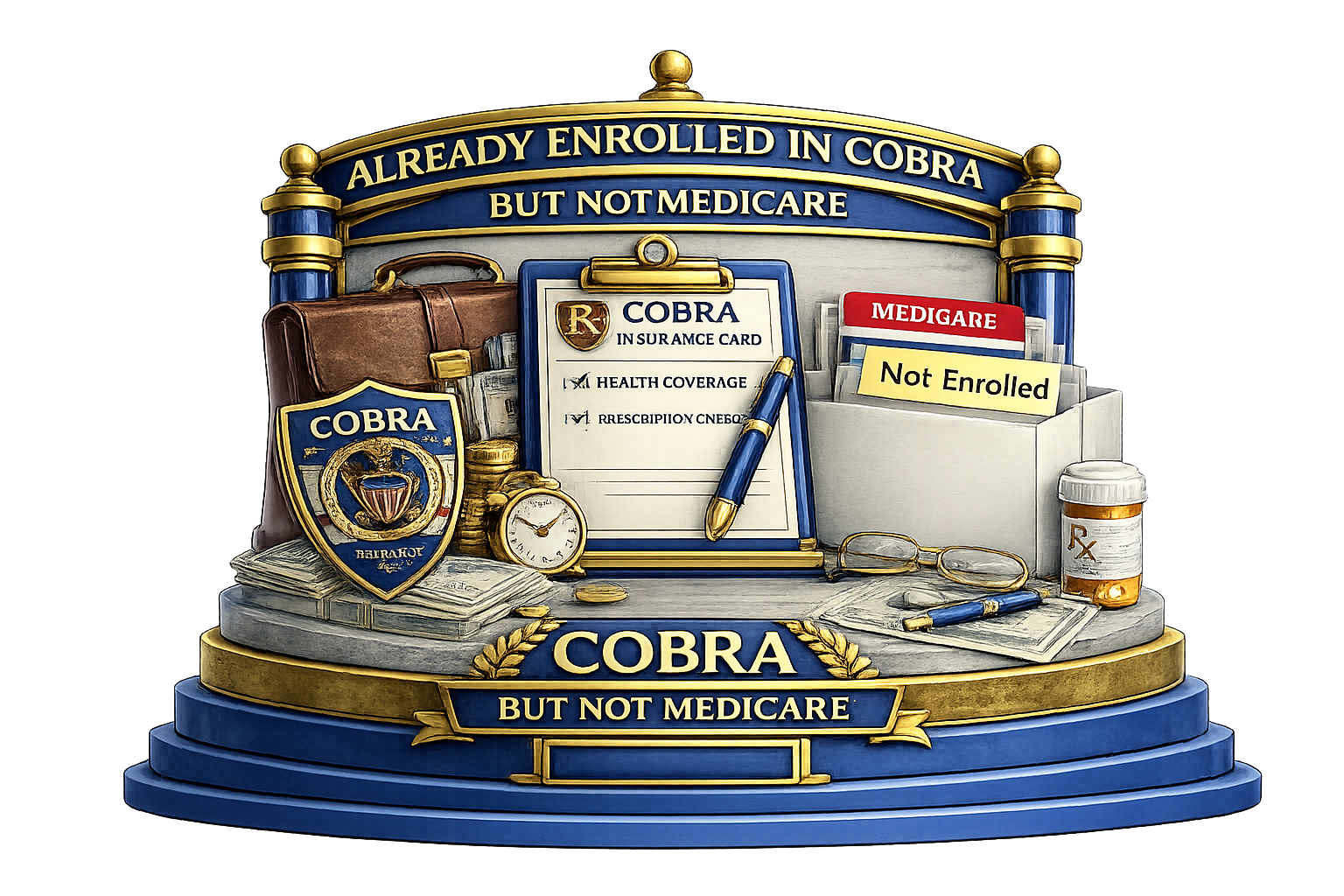
Already enrolled in COBRA but not Medicare
Review whether your Part B timing has already started running.
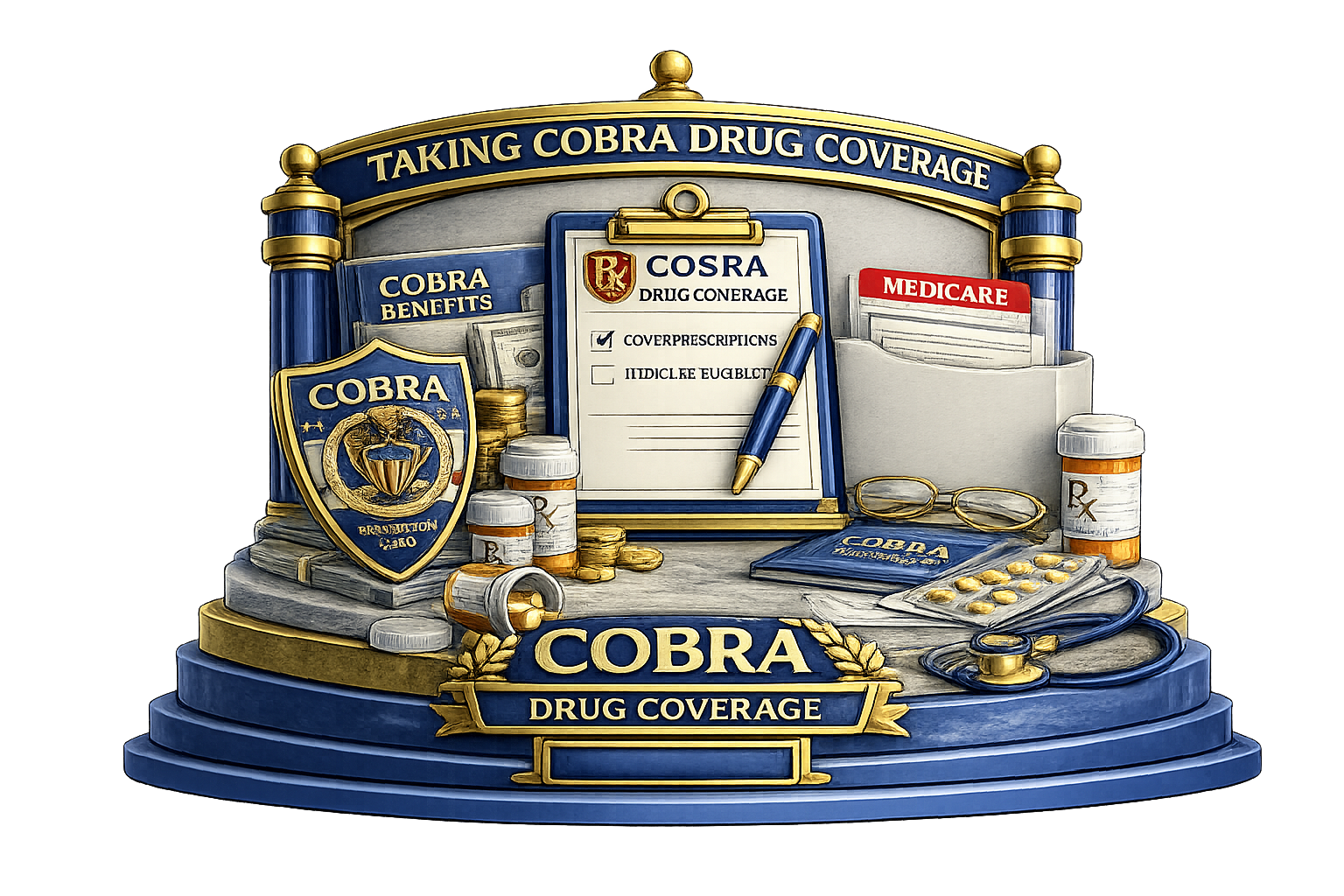
Taking COBRA drug coverage
Review whether the prescription coverage is creditable and when Part D may be needed.

Have both Medicare and COBRA
Review which coverage generally pays first and what COBRA is still covering.
Common Mistakes with COBRA and Medicare
- assuming COBRA works like active employer coverage
- waiting until COBRA ends to think about Part B
- believing COBRA protects the Part B SEP
- confusing creditable drug coverage with Part B timing
- not checking who pays first when both Medicare and COBRA are in place
- assuming retiree coverage and COBRA work the same way as current employment coverage
Most COBRA and Medicare mistakes happen because people treat continuation coverage like active employer coverage when Medicare does not.
Need Help Reviewing COBRA and Medicare?
If you are leaving employer coverage, already on COBRA, or unsure how Part B and prescription timing should work, request a coverage review before making your next move.
Frequently Asked Questions
Important Disclosure
Roger L. Daniel Insurance is a licensed insurance agency and is not affiliated with, endorsed by, or connected with the U.S. government or the federal Medicare program.